Presentation at the DVU Group @ The University of Cambridge
Oct 16, 2026· ·
1 min read
Giorgio Morales
Abstract
While high-capacity opaque machine learning models excel at fitting complex non-linear relationships, their lack of interpretability restricts scientific insight and limits safe deployment in engineering contexts. To bridge this gap, symbolic regression can be used to distill trained opaque models into explicit mathematical equations. In this talk, I introduce SeTGAP, a neural symbolic regression framework that distills opaque models into concise and interpretable expressions without restricting equation discovery to predefined candidate libraries. SeTGAP employs a Multi-Set Transformer to uncover per-variable symbolic skeletons from the opaque model’s predictions, followed by evolutionary techniques that systematically combine them into multivariate expressions. Finally, we will discuss how this distillation framework could naturally extend to non-linear dynamical system identification (i.e., distilling surrogates trained on dynamic state data into white-box equations), opening exciting avenues for collaboration.
Date
Oct 16, 2026 3:00 PM — 5:00 PM
Event
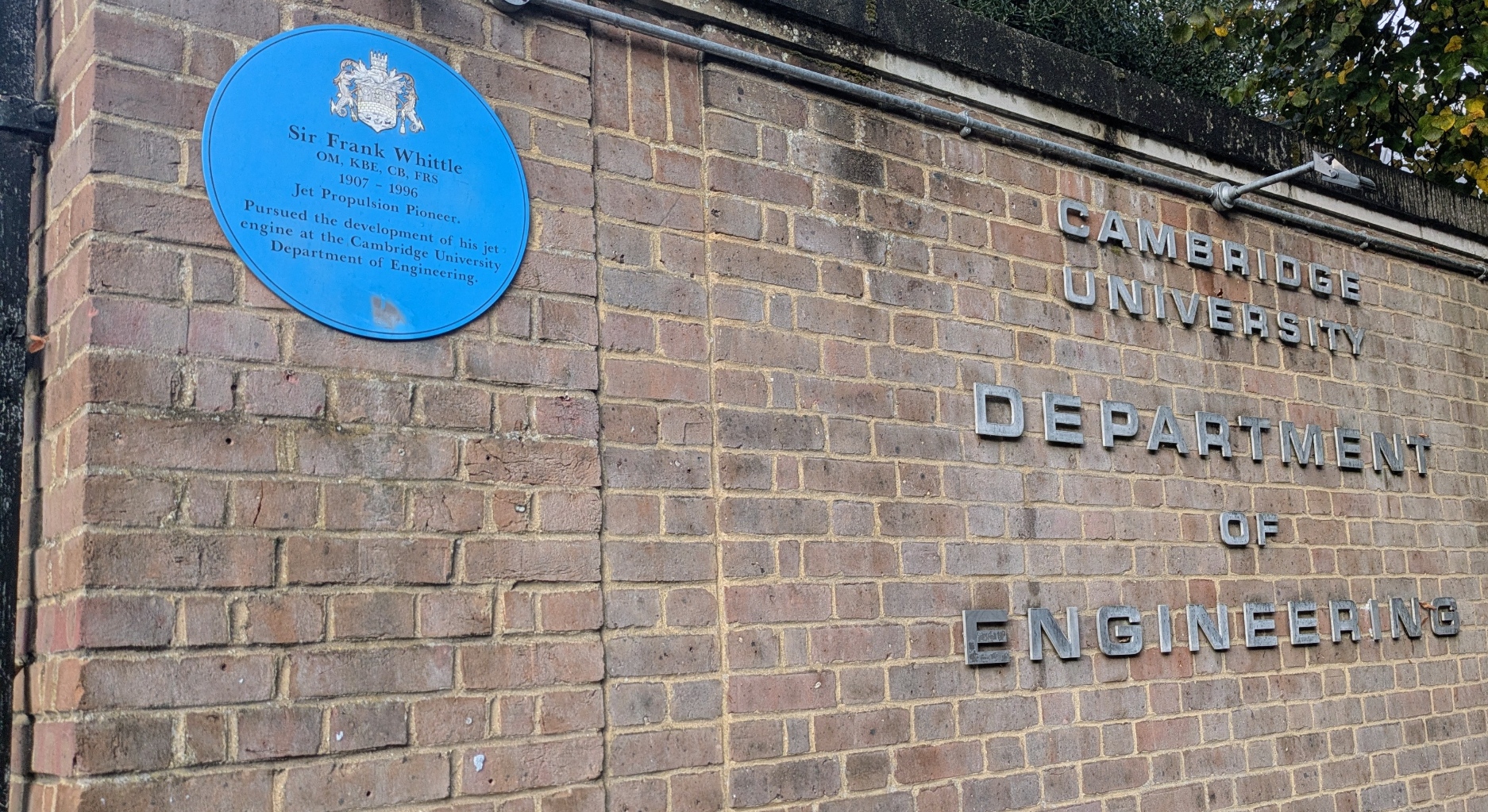
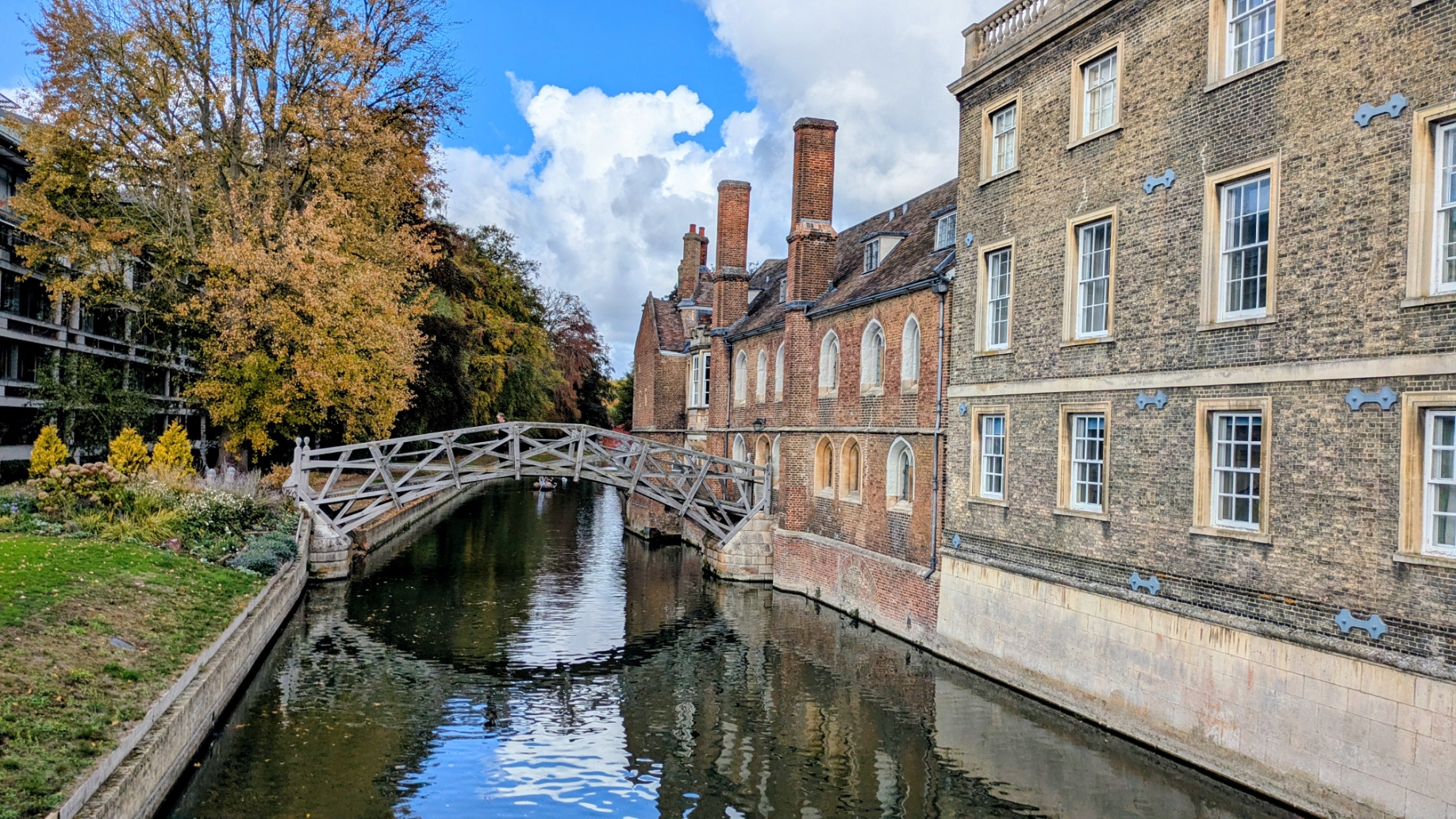
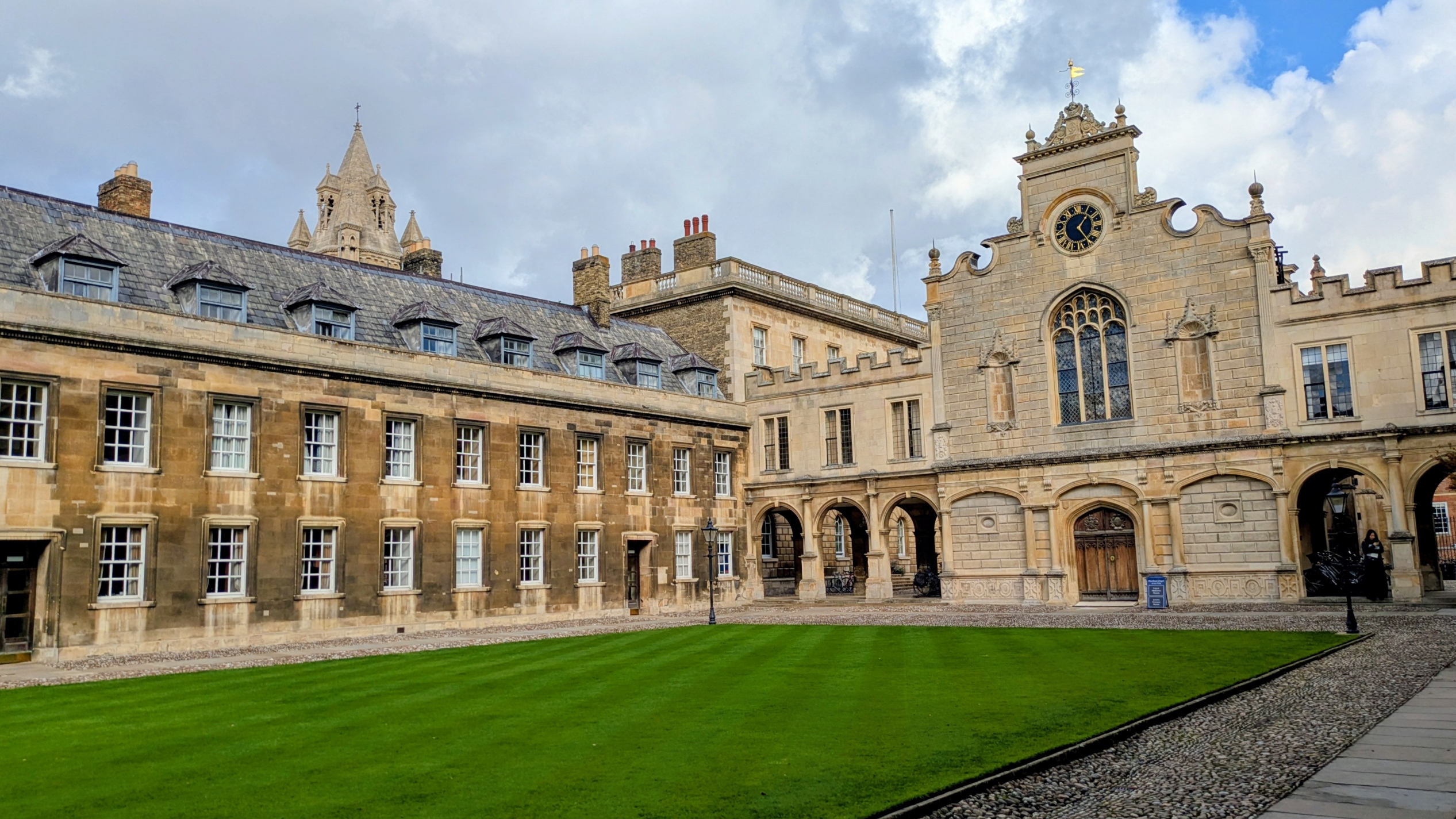
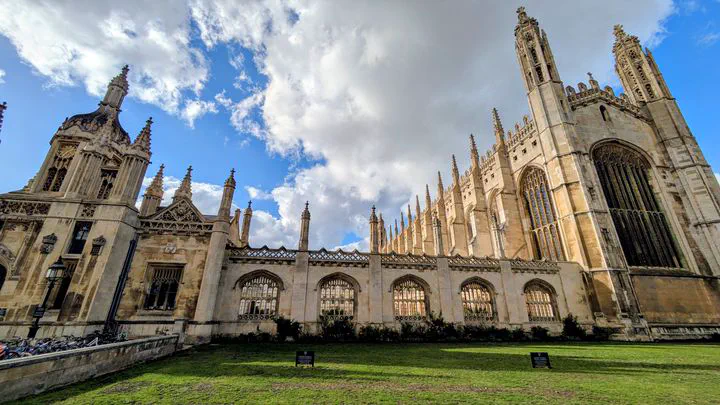
Last Friday, I had the opportunity to give a seminar talk for the Data, Vibration and Uncertainty Group at the University of Cambridge’s Department of Engineering.
I presented my work on symbolic regression and equation discovery, focusing on its applications for dynamical systems identification. It was great to connect with researchers working on interesting engineering problems using different physics-enhanced ML techniques and exchange ideas on where these methods can be applied.
Thank you, Alice Cicirello, for the invitation and for having me as your guest. It was a privilege to visit the department and experience Cambridge from the inside. Special thanks to Niccolò Klinger for being such a welcoming host!